Waste Material Types
At RecyGlo, we specialize in handling a wide variety of waste streams to ensure they are properly diverted from landfills and reintroduced into the manufacturing cycle. Here are the primary material types we process to support your circular economy goals:
Water Usage
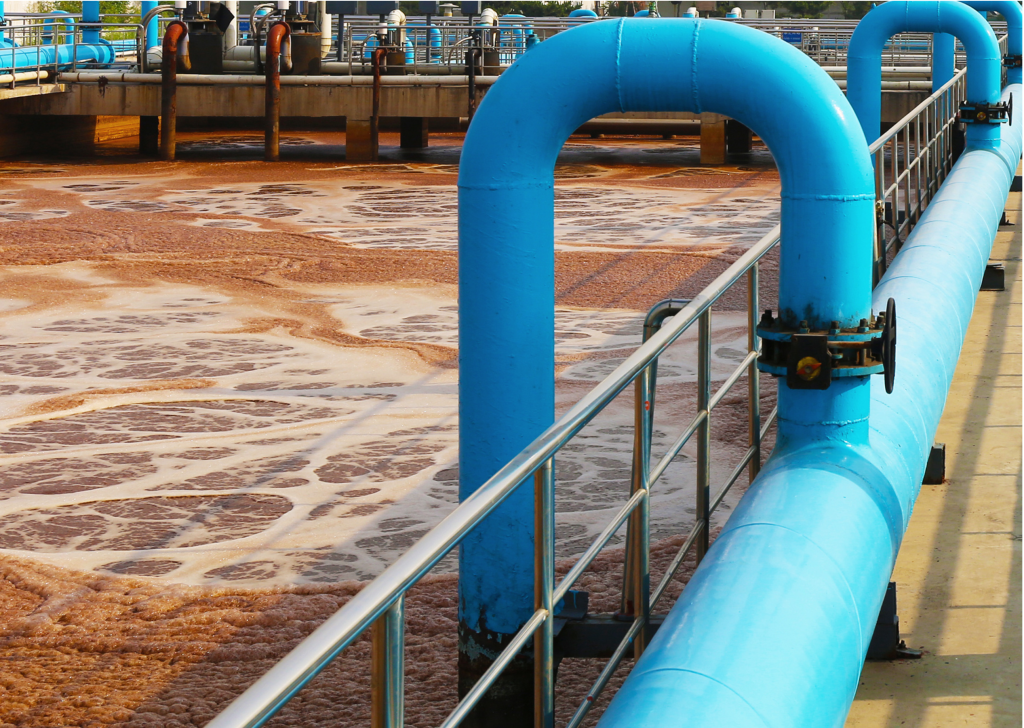
Wastewater is carefully treated and filtered before being released back into the environment or reused for industrial purposes. Implementing closed-loop water systems helps businesses significantly reduce their freshwater consumption and minimize ecological impact.
Organic Biomass
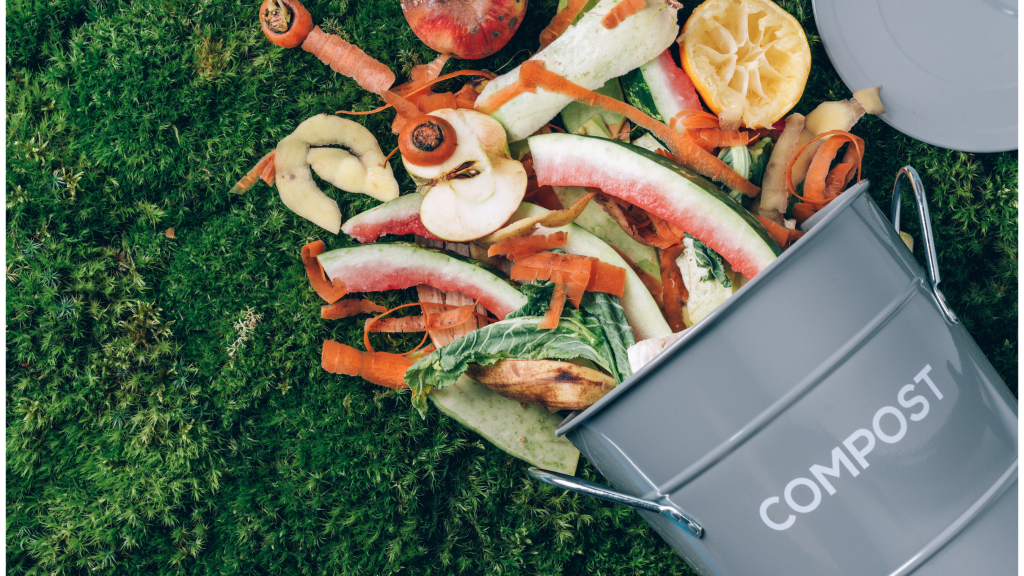
Food waste and other organic materials are collected and processed efficiently. Instead of ending up in landfills where they produce harmful methane gas, these materials are repurposed to generate renewable energy or create valuable agricultural byproducts.
Organic Fertilizer
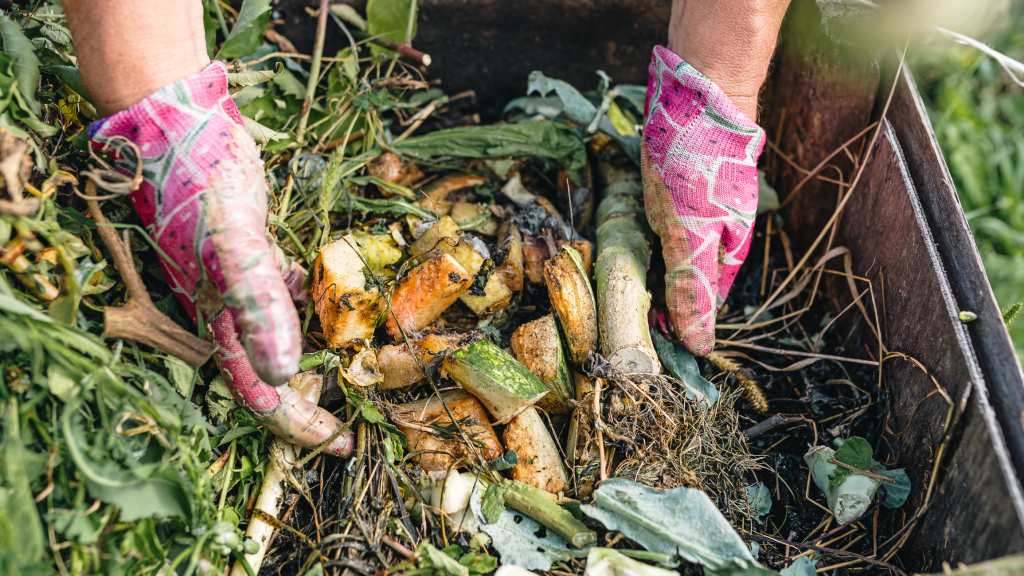
Through advanced commercial composting techniques, organic waste is converted into nutrient-rich, high-quality fertilizer. This organic compost is then supplied to local agricultural sectors, enriching soil health and reducing the reliance on chemical fertilizers.
Plastic Materials
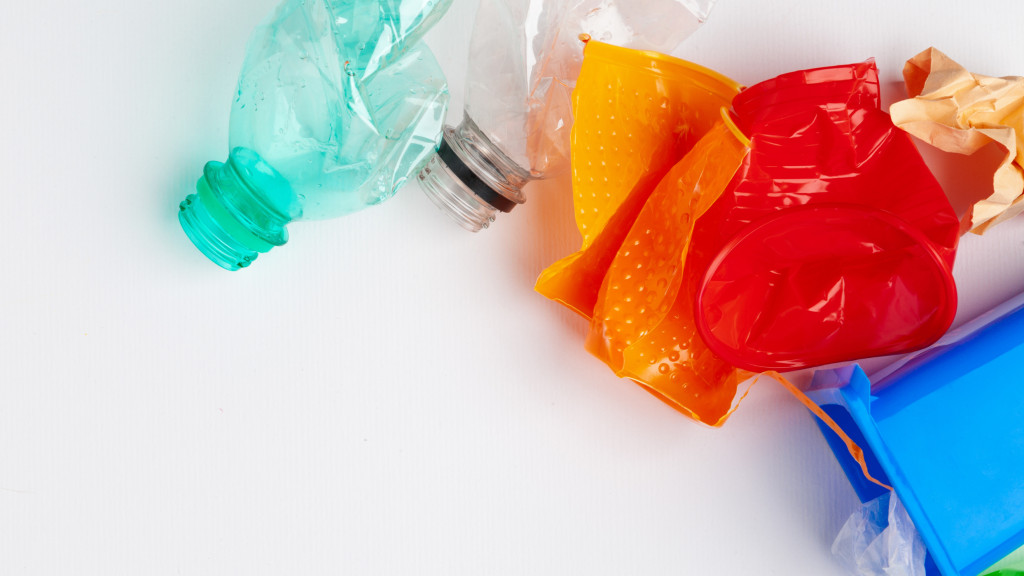
Various types of plastics are carefully sorted, cleaned, and shredded into reusable pellets. These secondary raw materials are then reintroduced into the manufacturing supply chain to produce new plastic goods, drastically reducing plastic pollution.
Paper & Cardboard Materials
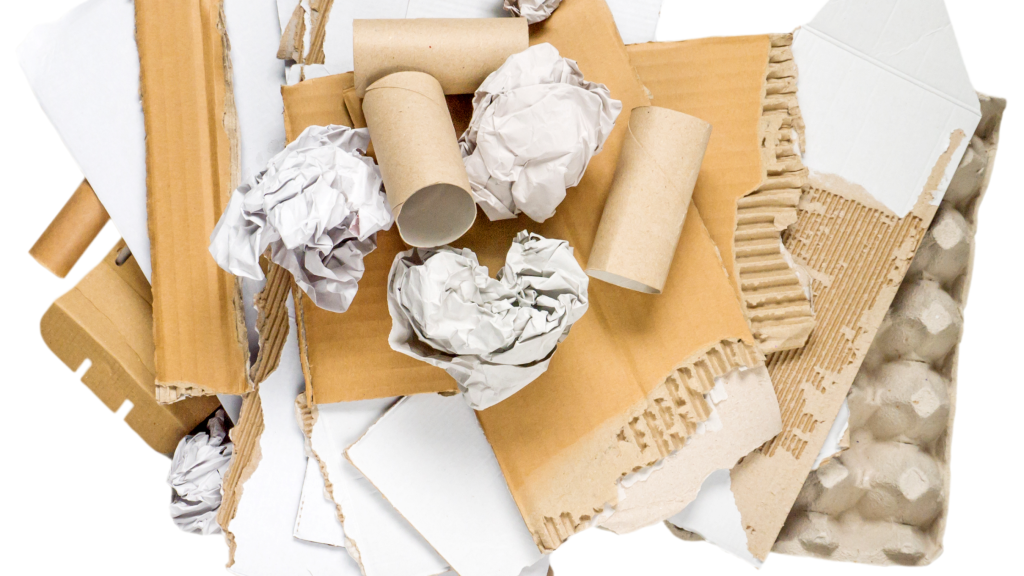
Collected paper and cardboard waste are processed, repulped, and recycled into new packaging materials and paper products. This continuous recycling loop preserves forests and saves massive amounts of water and energy compared to virgin paper production.
Aluminum (Tin) Cans / Metal Materials
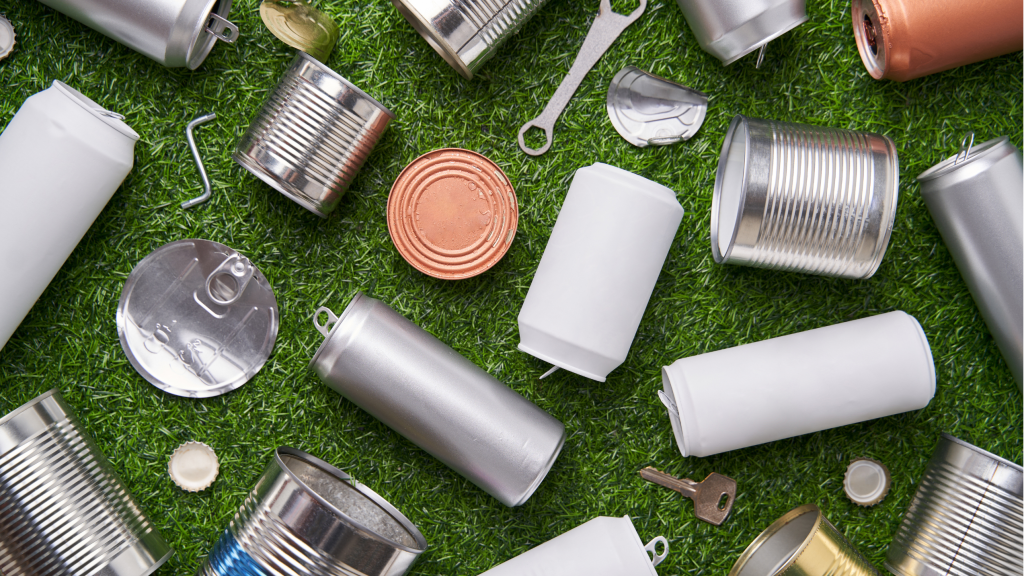
Metals are highly valuable in the circular economy because they can be melted down and endlessly recycled without losing their structural quality. We ensure all scrap metals and cans are diverted from landfills to metal foundries.
Glass Materials
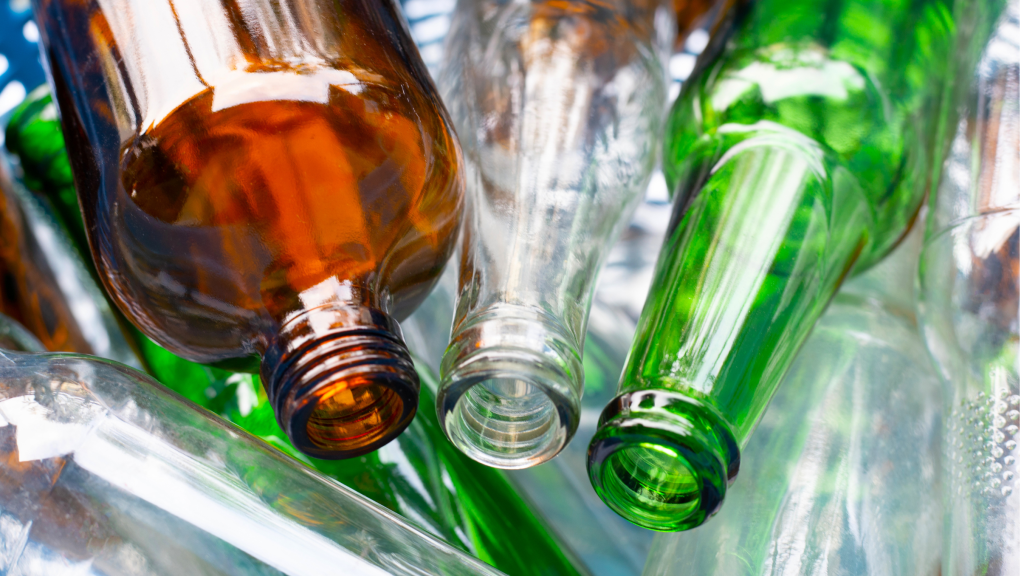
Glass is sorted by color, crushed into cullet, and melted at high temperatures to form new bottles and jars. Recycling glass saves raw materials like sand and significantly reduces the energy required for manufacturing.
Electronic and Electrical Waste (E-waste)
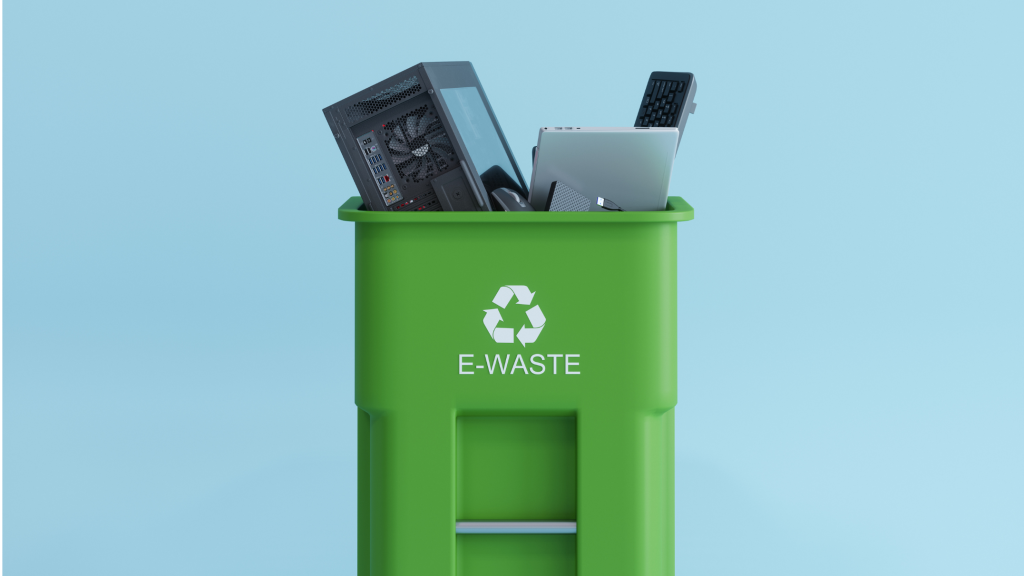
E-waste is safely and meticulously dismantled to recover valuable precious metals like gold, silver, and copper, while hazardous components like batteries and heavy metals are securely and responsibly disposed of to prevent soil and water contamination.
Waste Oils (Engine Oil)
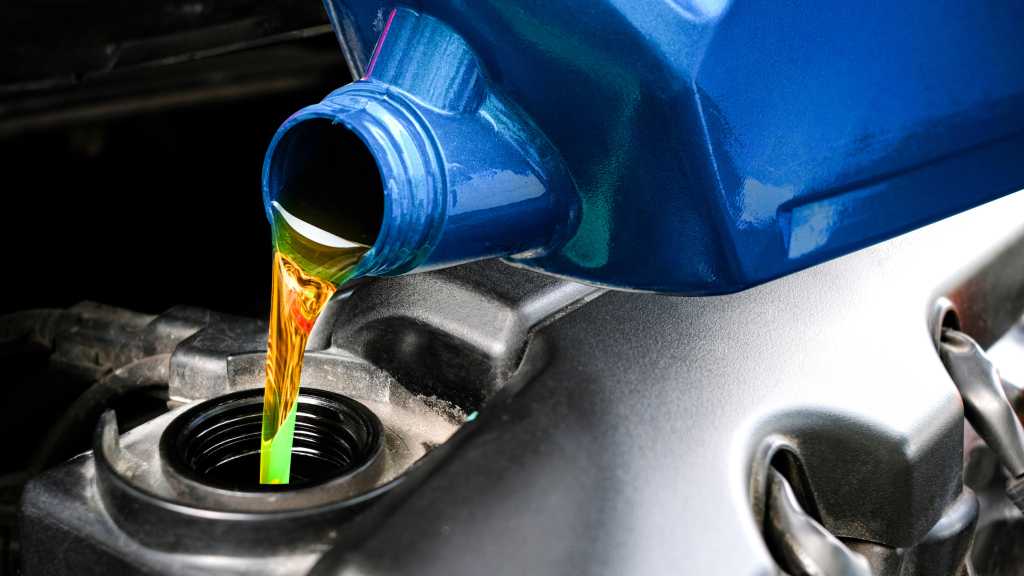
Used engine oils and industrial lubricants are collected, re-refined, and purified. This specialized recycling process removes impurities so the oil can be safely reused, preventing toxic dumping and reducing the need for crude oil extraction.